Exploring the Important Applications and Utilizes of Aluminum Factory in Modern Manufacturing
Light weight aluminum shops play an essential function in modern-day production, offering varied markets with their unique homes. From automobile parts that boost fuel performance to aerospace structures that prioritize weight, light weight aluminum's versatility appears. Its applications include building and construction and customer electronics, highlighting its toughness and power efficiency. Nonetheless, the developments in aluminum casting methods and future patterns warrant a closer exam, as they might redefine its influence on manufacturing.
The Function of Aluminum Foundries in Automotive Manufacturing
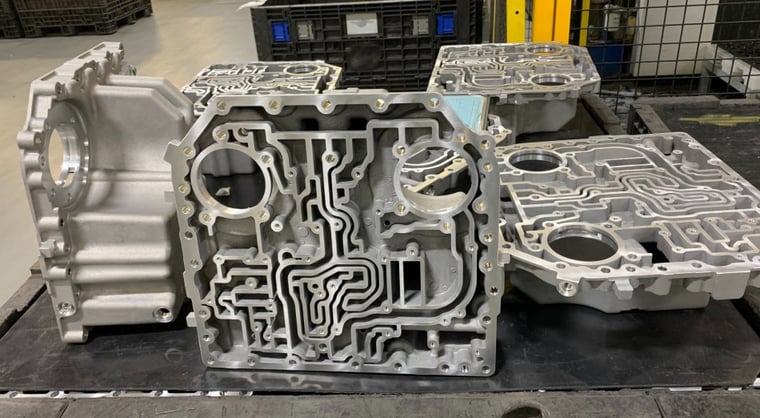
As the automobile sector progressively prioritizes lightweight materials to improve gas performance and efficiency, aluminum shops have actually come to be crucial factors to manufacturing procedures. These foundries specialize in producing parts that satisfy the stringent needs of modern automobiles, such as engine blocks, transmission real estates, and architectural aspects. Aluminum's positive homes-- such as high strength-to-weight ratio, corrosion resistance, and superb thermal conductivity-- make it an ideal selection for automotive applications.
Moreover, aluminum shops make use of sophisticated casting strategies, consisting of die casting and sand casting, to develop long lasting and intricate parts. This ability enables producers to maximize styles for performance while minimizing weight. Making use of light weight aluminum also supports sustainability goals, as it is extremely recyclable and decreases energy usage in cars. By facilitating the assimilation of aluminum right into auto design, factories play an essential function fit the future of the automobile market, promoting effectiveness and advancement across the board.
Aerospace Applications: Lightweight Solutions for Trip
Aluminum foundries play a considerable duty in the aerospace market, where the need for light-weight products is extremely important for boosting fuel performance and efficiency in aircraft. The special buildings of light weight aluminum, including its high strength-to-weight ratio and rust resistance, make it an ideal choice for numerous aerospace components. These components include architectural components, engine cases, and touchdown equipment, which add to overall aircraft performance.
Making use of light weight aluminum alloys, specifically those developed with innovative spreading methods, permits the production of elaborate layouts and complex shapes while reducing weight. Additionally, light weight aluminum's recyclability aligns with the aerospace sector's sustainability objectives, reducing environmental influence. With continuous innovations in light weight aluminum factory modern technologies, manufacturers can maximize manufacturing procedures, resulting in boosted performance and decreased prices. As the aerospace field progressively prioritizes developments that enhance efficiency, light weight aluminum shops will certainly stay integral to creating light-weight options for contemporary flight.
Building and Building And Construction: Enhancing Architectural Integrity
In the structure and construction industry, a considerable emphasis is put on enhancing structural honesty through the use of aluminum. Known for its high strength-to-weight ratio, aluminum gives sturdiness without endangering on weight, which is vital in modern-day architectural layouts. Its resistance to deterioration better ensures longevity, making it an excellent material for numerous architectural elements, including beam of lights, frameworks, and cladding.
Aluminum additionally promotes cutting-edge style opportunities, enabling engineers and designers to develop aesthetically pleasing frameworks while maintaining safety and security criteria. The product's adaptability enables its application in both residential and commercial tasks, from skyscrapers to bridges. Furthermore, developments in light weight aluminum foundry methods have actually boosted the precision of light weight aluminum parts, guaranteeing they fulfill stringent structure codes. On the whole, the integration of light weight aluminum in building not only boosts architectural honesty however additionally adds to lasting structure techniques, provided its recyclability and energy-efficient production methods.
Customer Electronics: The Surge of Aluminum in Innovation
In the domain of consumer electronic devices, aluminum has actually gotten importance due to its light-weight design advantages and premium thermal conductivity. This change not just improves item mobility yet also boosts device efficiency by effectively dissipating heat. As technology remains to evolve, the role of aluminum in producing smooth and efficient tools is progressively significant.
Light-weight Design Benefits
As customer electronics develop, the need for lightweight yet resilient materials has actually surged, making light weight aluminum a progressively prominent choice amongst manufacturers. Its low density enables the creation of smooth devices that are very easy to carry and make use of, considerably enhancing transportability. The strength-to-weight ratio of aluminum guarantees that products can withstand everyday deterioration without endangering performance. In addition, the pliability of light weight aluminum allows manufacturers to develop complex shapes and forms, additionally contributing to innovative aesthetics and performance. This light-weight characteristic likewise plays an important duty in energy effectiveness, as lighter gadgets require much less power to run. As an outcome, light weight aluminum not only satisfies the developing aesthetic needs yet likewise lines up with the modern-day concentrate on sustainability in consumer electronic devices.
Thermal Conductivity Conveniences
Thermal conductivity is a critical variable in the efficiency of consumer electronic devices, and aluminum master this domain name. Its high thermal conductivity allows for reliable heat dissipation, which is crucial for maintaining ideal operating temperatures in tools such as smartphones, laptop computers, and video gaming consoles. By assisting in rapid warm move away from delicate elements, aluminum assists protect against overheating, consequently improving efficiency and extending gadget longevity. In addition, the light-weight nature of aluminum complements its thermal homes, making it an ideal selection for portable technology. As suppliers significantly focus on performance and power efficiency, aluminum's function in thermal monitoring becomes even more considerable, causing its expanding fostering in modern-day digital layouts. This pattern underscores aluminum's significance in customer electronic devices innovation.
Marine Industry: Corrosion Resistance in Harsh Settings
Corrosion resistance is a vital consider the aquatic market, where tools and structures are regularly revealed to severe deep sea settings. Aluminum, particularly in its alloy types, provides considerable benefits hereof. Its natural oxide layer supplies a protective barrier that protects against deterioration, making it perfect for vessels, docks, and various other aquatic applications.
Marine-grade aluminum alloys, such as 5083 and 6061, are especially designed to withstand the harsh impacts of saltwater and atmospheric conditions. These alloys not only stand up to corrosion however additionally maintain structural stability and stamina over time. Applications vary from hulls and superstructures of ships to components in offshore systems.
The lightweight nature of light weight aluminum further boosts its viability, making it possible for improved fuel performance and convenience of handling - aluminum foundry. As the aquatic sector remains to concentrate on durability and efficiency, light weight aluminum continues read more to be an essential product selection for resisting rust sought after aquatic setups
Developments in Aluminum Casting Techniques
While typical light weight aluminum casting methods have served the market well, current advancements are transforming the landscape of aluminum manufacturing. Techniques such as 3D printing of molds and cores are obtaining grip, enabling quick prototyping and decreased lead times. This advancement enables suppliers to develop complex geometries that were Discover More previously hard to attain with standard casting methods. Furthermore, improvements in die-casting innovation, consisting of making use of high-pressure die-casting (HPDC), have actually enhanced the accuracy and surface finish of actors light weight aluminum elements, causing enhanced efficiency in numerous applications.
The adoption of investment spreading has actually permitted for higher style freedom and minimized material waste. Technologies in alloy make-ups are also significant, as they enhance mechanical residential or commercial properties and rust resistance. Generally, these growths not just simplify manufacturing processes however likewise add to more lasting methods within the light weight aluminum foundry market, making it versatile to the developing demands of modern manufacturing
Future Patterns in Aluminum Shop Production
The future of aluminum foundry manufacturing is positioned for significant transformation via automation, boosting performance and accuracy in manufacturing procedures. Sustainable practices are progressively ending up being a priority, as factories look for to reduce their environmental impact while fulfilling growing governing needs. Furthermore, developments in alloy development will certainly enable the development of more powerful, lighter products customized for diverse applications, driving advancement in the sector.
Automation in Foundry Processes
Sustainable Manufacturing Practices
A growing emphasis on lasting manufacturing techniques is improving the future of light weight aluminum foundry production. Industry leaders are progressively embracing energy-efficient modern technologies and reusing campaigns to minimize waste and decrease carbon footprints. The usage of recycled light weight aluminum substantially decreases energy consumption contrasted to primary light weight aluminum production, making it a preferred option for ecologically conscious makers. On top of that, cutting-edge casting strategies are being established to boost material performance and minimize discharges. Companies are likewise investing in sustainable power sources, such as solar and wind, to power their procedures sustainably. Aluminum Casting. By integrating these techniques, the aluminum foundry market not just meets governing needs however additionally replies to consumer need for greener items, ultimately leading the way for an extra lasting production landscape
Advanced Alloy Growth
Improvements in here are the findings aluminum alloy advancement are established to play a considerable duty in the future of foundry production, specifically as sustainability and efficiency demands intensify. The market is significantly focusing on producing high-strength, light-weight alloys that can endure severe conditions while reducing ecological impact. Researchers are checking out ingenious compositions, such as aluminum-lithium and aluminum-scandium alloys, which assure enhanced mechanical properties and decreased weight. Furthermore, the combination of sophisticated production strategies, consisting of additive production and accuracy spreading, enables even more facility geometries and reduced material waste. As regulatory pressures and customer choices change in the direction of greener options, the development of energy-efficient and recyclable alloys will be vital. The future landscape of light weight aluminum shop manufacturing rests on these improvements in alloy modern technology.

Regularly Asked Inquiries
What Are the Ecological Effects of Aluminum Foundry Workflow?
Aluminum foundry operations can cause substantial environmental impacts, including greenhouse gas exhausts, power consumption, and waste generation. Additionally, inappropriate management of pollutants may result in dirt and water contamination, affecting neighborhood ecological communities and neighborhoods.
Exactly How Does Aluminum Recycling Affect Foundry Processes?
Light weight aluminum reusing enhances shop procedures by offering a cost-effective raw product, minimizing energy intake and discharges. This lasting method increases performance, lessens waste, and supports the round economy, profiting both producers and the setting.
What Security Measures Are Carried Out in Light Weight Aluminum Foundries?
Aluminum shops implement numerous safety actions, including individual safety devices, correct ventilation systems, routine security training, fire avoidance protocols, and devices upkeep procedures to lessen hazards and ensure a secure working atmosphere for all staff members.
How Do Foundries Ensure Top Quality Control in Light Weight Aluminum Casting?
Shops assure top quality control in light weight aluminum casting via strenuous product examinations, precise temperature tracking, standard procedures, and normal screening of cast products. These actions help maintain consistency, minimize issues, and meet industry specs efficiently.
What Are the Expense Variables in Light Weight Aluminum Foundry Production?
Cost elements in light weight aluminum factory manufacturing consist of basic material rates, energy consumption, labor costs, devices maintenance, and overhead costs. Furthermore, production volume and complexity of designs considerably influence general production expenses and productivity.
As the auto sector significantly focuses on lightweight materials to enhance fuel efficiency and efficiency, light weight aluminum shops have actually ended up being crucial factors to producing processes. Aluminum shops play a substantial function in the aerospace industry, where the demand for lightweight products is paramount for boosting gas effectiveness and performance in airplane. In addition, improvements in aluminum foundry strategies have improved the accuracy of aluminum parts, ensuring they satisfy stringent structure codes. While standard aluminum spreading techniques have served the industry well, current developments are transforming the landscape of light weight aluminum manufacturing. The usage of recycled aluminum considerably decreases energy intake compared to key aluminum manufacturing, making it a preferred choice for eco mindful manufacturers.